

AquaFit Weight Loss Supplement Investigation: 2026 Thermogenic Research Examines Green Tea, Berberine, and Metabolic Support Ingredients
Alpha Lipoic Acid, Chromium, Cayenne, and Korean Ginseng Capsule Analysis Amid January 2026 Natural Weight Loss Supplement Search Trends
AURORA, COLORADO, Jan. 08, 2026 (GLOBE NEWSWIRE) -- Disclaimer: This article is for informational purposes only and does not constitute medical advice. Always consult a qualified healthcare professional before starting any new supplement, especially if you have existing health conditions, take medications, or are pregnant or nursing. This article contains affiliate links. If you purchase through these links, a commission may be earned at no additional cost to you.
AquaFit, a capsule-format dietary supplement marketed in the weight management category, has attracted consumer attention in January 2026 as seasonal patterns in supplement searches often increase during New Year health initiatives. According to the company, the formulation emphasizes a metabolism-focused narrative and thermogenic research references, alongside an ingredient profile described by the company in its published materials.
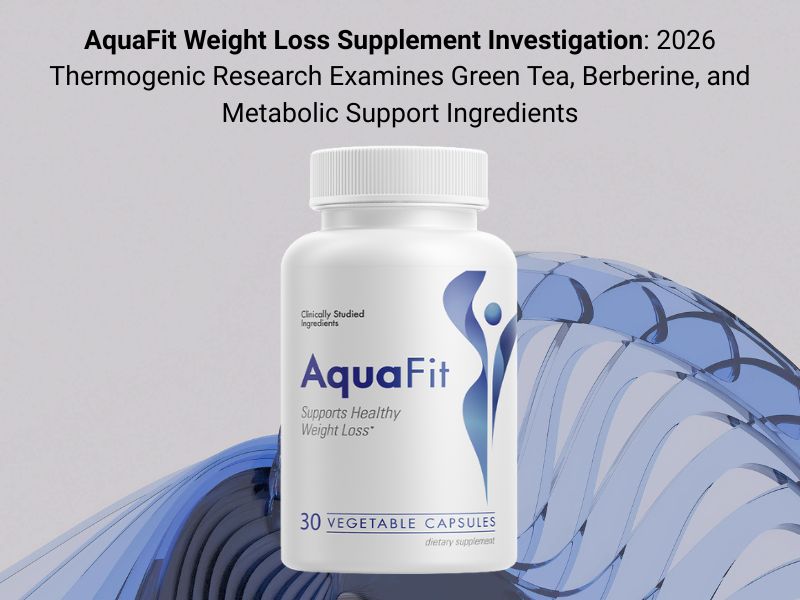
This report summarizes publicly available label information and published research context; it does not evaluate clinical outcomes or product performance. The manufacturer positions AquaFit around research examining the relationship between metabolic rate patterns in adipose tissue and cellular energy expenditure. The company references a 2019 research discussion published in Scientific Reports associated with circadian regulation in human white adipose tissue that examined how metabolic timing patterns relate to fat cell activity in research settings. The research did not evaluate AquaFit or any dietary supplement and does not establish clinical outcomes.
Consumers researching AquaFit often encounter information about its capsule-based delivery format and ingredient profile described as including nine botanical extracts plus essential minerals.
What AquaFit Is and How the Company Positions the Formula
According to the company, AquaFit is a dietary supplement marketed in a capsule format. In the company's published materials, the product's messaging emphasizes thermogenic research references within the broader context of metabolic health discussions.
Thermogenesis is a metabolic process that has been extensively studied for its role in energy expenditure. Research published examining green tea catechins and their effects on 24-hour energy expenditure documented how certain botanical compounds influence metabolic rate in controlled settings. These researchers have no affiliation with AquaFit, but their work contributes to broader scientific discussions around thermogenesis and its relationship to weight management research.
According to the manufacturer, AquaFit contains ingredients selected based on published research examining their potential relationships to metabolic function, glucose utilization, and energy balance. The capsule format is positioned by the company as a convenient delivery method.
AquaFit and the Metabolic Research Narrative
The company references a 2019 research discussion published in Scientific Reports that examined circadian regulation in human white adipose tissue through transcriptome and metabolic network analysis. The research did not evaluate AquaFit or any dietary supplement and does not establish clinical outcomes.
The referenced research examined how fat cells operate on different metabolic cycles throughout the day, with metabolic activity patterns varying based on circadian rhythms. According to coverage in Science Daily, the research suggested that cellular metabolism in adipose tissue may have relationships to timing patterns and hormonal fluctuations. Published research has examined how metabolic rate, nutrient processing, and energy expenditure relate to cellular function in various tissue types.
This research builds on earlier published studies. A 2006 study published in the Journal of the American Dietetic Association examined low-fat dietary patterns and weight change over seven years in the Women's Health Initiative Dietary Modification Trial. A 2021 study published in the American Journal of Clinical Nutrition examined relationships between dietary factors and body composition. Research published in peer-reviewed literature has examined how various compounds may relate to metabolic function and energy balance.
The metabolism-related hypothesis discussed in published research suggests that certain botanical compounds play roles in thermogenic function by influencing cellular energy pathways. Research has documented that metabolic rate changes with age, which has been associated with various age-related weight management considerations in some populations.
Consumers evaluating AquaFit should understand that the circadian adipose tissue research investigated physiological mechanisms and cellular processes rather than evaluating specific supplement formulations. AquaFit as a complete product has not been subjected to clinical trials. The manufacturer references this research as the conceptual foundation for the formula's design.
AquaFit Ingredient Profile: Research Context and Formulation Design
According to the company's published formulation details, AquaFit contains ingredients selected based on published research examining their potential relationships to various biological processes. Consumers researching AquaFit often encounter detailed ingredient information in the manufacturer's materials.
The product label lists a proprietary botanical blend totaling 276 mg, plus zinc (5.5 mg as zinc gluconate) and chromium (0.05 mg as chromium picolinate). This labeling approach is permitted under current FDA regulations but may limit direct comparison to dosages used in published research. The proprietary blend includes the following components:
Alpha Lipoic Acid
Alpha lipoic acid is a compound produced naturally by the body that functions as a cellular antioxidant and mitochondrial cofactor. Published research has examined alpha lipoic acid for its relationships to various metabolic processes. A systematic review and meta-analysis published in peer-reviewed literature examined alpha lipoic acid's effects on body weight, finding associations with modest weight reduction in some study populations. A 2012 study published in Obesity Reviews examined the compound's relationships to energy metabolism and oxidative stress markers. These studies examine isolated compounds or biological mechanisms and do not evaluate AquaFit as a finished dietary supplement.
Green Tea Extract (98% Polyphenols, 80% Catechins, 50% EGCG)
Green tea (Camellia sinensis) extract has extensive documentation in metabolic research. A 1999 study published in the American Journal of Clinical Nutrition examined the efficacy of green tea extract rich in catechin polyphenols and caffeine in increasing 24-hour energy expenditure and fat oxidation in humans. A 2007 study published in Obesity examined a green tea extract high in catechins and its effects on body fat and cardiovascular risks in study participants. A 2013 meta-analysis published in the American Journal of Clinical Nutrition examined the effect of green tea on glucose control and insulin sensitivity across 17 randomized controlled trials. These studies examine isolated compounds or biological mechanisms and do not evaluate AquaFit as a finished dietary supplement.
Milk Thistle Seed Extract (80% Silymarin)
Milk thistle (Silybum marianum) and its active compound silymarin are primarily known for their traditional use in supporting liver function. Published research has examined silymarin for its antioxidant properties and relationships to hepatic metabolism. A 2016 review examined silymarin's effects on metabolic parameters in various study populations. The liver plays a central role in processing nutrients, metabolizing fats, and regulating blood sugar, which has led researchers to investigate relationships between liver health compounds and metabolic function. These studies examine isolated compounds or biological mechanisms and do not evaluate AquaFit as a finished dietary supplement.
Berberine HCL (97% from Berberis aristata Root)
Berberine is an alkaloid extracted from plants including Berberis aristata that has been used in traditional medicine systems for centuries. Modern research has focused on its potential effects on glucose metabolism and related metabolic markers. A meta-analysis published in peer-reviewed literature examined multiple randomized controlled trials involving berberine supplementation, finding associations with improvements in certain metabolic markers in some study populations. Mechanistic research suggests berberine may influence metabolic function through effects on cellular energy pathways, though the exact mechanisms continue to be studied. These studies examine isolated compounds or biological mechanisms and do not evaluate AquaFit as a finished dietary supplement.
Resveratrol (from Polygonum cuspidatum Root Extract)
Resveratrol is a polyphenol found in grapes, berries, and other plants that has been studied for antioxidant properties and potential effects on cellular metabolism. Published research has examined resveratrol's relationships to various metabolic processes including energy expenditure and lipid metabolism. A 2015 meta-analysis examined resveratrol supplementation's effects on metabolic parameters across multiple studies. Research has investigated resveratrol's potential activation of certain cellular pathways related to energy metabolism. These studies examine isolated compounds or biological mechanisms and do not evaluate AquaFit as a finished dietary supplement.
Cayenne Fruit (40,000 Heat Units)
Cayenne pepper (Capsicum annuum) contains capsaicin, which has been researched for its thermogenic properties. A 2012 study published in Chemical Senses examined capsaicin's effects on energy expenditure and substrate oxidation. Published research has documented that capsaicin consumption has been associated with temporary increases in metabolic rate through thermogenic mechanisms in some study populations. A 2017 meta-analysis examined capsaicinoid supplementation's relationships to energy intake and expenditure. These studies examine isolated compounds or biological mechanisms and do not evaluate AquaFit as a finished dietary supplement.
Korean Ginseng (8% Ginsenosides)
Panax ginseng has extensive documentation in traditional practices spanning centuries. A 2013 review published in specialized literature examined research discussions on ginseng's relationships to various physiological processes including energy metabolism. Published research has examined ginsenosides, the active compounds in ginseng, for potential effects on glucose metabolism and energy balance. A 2014 study examined ginseng's relationships to fatigue and energy levels in various populations. These studies examine isolated compounds or biological mechanisms and do not evaluate AquaFit as a finished dietary supplement.
Banaba Leaf Extract (2% Corosolic Acid)
Banaba (Lagerstroemia speciosa) is a traditional Asian botanical used for metabolic support. Published research has examined corosolic acid, the primary active compound in banaba, for its potential effects on glucose transport. A 2012 review examined banaba leaf extract's relationships to blood sugar regulation in various study populations. Research has investigated corosolic acid's potential influence on cellular glucose uptake mechanisms. These studies examine isolated compounds or biological mechanisms and do not evaluate AquaFit as a finished dietary supplement.
Mineral Components: Zinc and Chromium
According to the company, AquaFit includes two essential minerals. Zinc has been examined in published research for its relationships to various metabolic processes including protein synthesis and enzyme function. A 2013 study examined zinc's relationships to metabolic markers in various populations. Chromium, particularly as chromium picolinate, has been studied for its involvement in insulin signaling and macronutrient metabolism. According to the National Institutes of Health Office of Dietary Supplements, chromium is involved in the action of insulin, a hormone critical for metabolism and storage of carbohydrate, fat, and protein in the body. A 2017 meta-analysis examined chromium supplementation's effects on body composition parameters. These studies examine isolated compounds or biological mechanisms and do not evaluate AquaFit as a finished dietary supplement.
Manufacturing and Regulatory Context for AquaFit
According to the company, AquaFit is manufactured in the United States for AquaFit, Natures Formulas, based in Aurora, Colorado. The manufacturer states that ingredients are sourced according to quality specifications and that the product formulation follows established supplement manufacturing protocols.
Consumers researching dietary supplements should understand that the FDA does not approve dietary supplements before they reach the market. The regulatory framework for supplements differs from medications, with the Dietary Supplement Health and Education Act placing responsibility on manufacturers for safety and accurate labeling.
According to the company, AquaFit uses vegetable capsules (hypromellose), making it suitable for those following vegetarian dietary preferences. Other ingredients include microcrystalline cellulose, magnesium stearate, and silicon dioxide.
Label directions describe a once-daily capsule format; readers should follow the product label and consult a qualified healthcare professional for individualized guidance.
Safety Information and Interaction Considerations
Some ingredients commonly discussed in metabolic supplement research may be relevant for individuals taking medications or managing health conditions. Published research frequently discusses berberine, chromium, and alpha lipoic acid in relation to glucose metabolism, and green tea extracts may contain caffeine. Individuals who take prescription medications or have medical conditions should consult a qualified healthcare professional before using dietary supplements.
The product label states the following cautions: Do not exceed recommended dose. Not for use by those under the age of 18 or pregnant or nursing mothers. Consult with a physician prior to use especially if you are taking a medication or have a medical condition.
Distribution Information
According to the company, AquaFit is offered through its official website, where current availability, shipping information, and policy terms are published and subject to change. According to the company's published policy pages, AquaFit lists refund and return terms on its official website, and those terms may change; consumers are encouraged to review current details directly before making any purchase decision.
Market Context: Weight Management Supplement Category
Consumers researching weight management approaches encounter numerous options including single-ingredient supplements, multi-ingredient formulations, prescription medications, and various dietary and exercise programs. Traditional supplement approaches have emphasized particular botanicals such as green tea extract or conjugated linoleic acid as primary ingredients. These have varying levels of research documentation, with study results showing mixed outcomes across different research designs.
Prescription medications represent a different category with distinct regulatory pathways. These medications undergo clinical trial processes and regulatory review procedures that differ from dietary supplement pathways.
According to the company, AquaFit's positioning emphasizes thermogenic research references and metabolic support research discussions within the broader weight management supplement category. The capsule format represents one delivery method option within the broader supplement category.
What Research and Public Information Do and Do Not Show About AquaFit
Consumers evaluating AquaFit should understand several important distinctions about research and evidence:
AquaFit as a complete formulation has not been subjected to clinical trials. The manufacturer references published research on individual ingredients and physiological mechanisms, but these studies examined isolated compounds or biological processes rather than evaluating the finished AquaFit product.
Published research on ingredients represents investigation of individual substances under controlled conditions. The presence of researched ingredients in a formulation does not predict outcomes from the complete product. Ingredient research and finished product outcomes represent different categories of evidence.
Individual responses to dietary supplements vary significantly based on numerous factors including baseline characteristics, lifestyle variables, genetic factors, concurrent medications, health status, and other individual considerations. Research documenting group-level statistical associations in controlled studies does not predict individual experiences.
The company references research as the conceptual foundation for formulation design. This represents the manufacturer's interpretation of published science rather than direct evidence of product efficacy. Consumers should distinguish between research informing formulation strategy and research documenting finished product outcomes.
One characteristic of the AquaFit formula worth noting: the use of a proprietary blend. While the total blend weight is listed (276 mg), individual ingredient amounts within the blend are not specified on the label. This labeling approach is permitted under current FDA regulations but may limit direct comparison to dosages used in published research.
Dietary supplements are not intended to diagnose, treat, cure, or prevent any disease. Weight management concerns should be evaluated by qualified healthcare professionals. Any health management decisions should occur with physician guidance.
Consumer Decision Framework and Evaluation Considerations
Consumers considering nutritional approaches to weight management encounter questions about appropriateness, expectations, and alignment with individual circumstances. AquaFit represents one option within a broader landscape of supplement and lifestyle approaches.
Consumers researching AquaFit often have various characteristics and motivations. Some seek nutritional support approaches while maintaining active lifestyles. Others take proactive approaches to metabolic health maintenance. Some prefer multi-ingredient formulas. Some are drawn to formulations emphasizing thermogenic and metabolic research. Individual priorities and circumstances vary significantly.
Consumers for whom AquaFit may not be appropriate include those requiring medical intervention for obesity or metabolic disorders, those with diagnosed medical conditions requiring physician oversight, individuals seeking evidence from product-specific clinical trials, individuals with sensitivities to caffeine or botanical extracts, those who prefer single-ingredient approaches for precise dosing, or those taking multiple medications or managing complex health situations.
Before choosing any dietary supplement, healthcare provider consultation is recommended to ensure appropriate oversight and informed decision-making. Lifestyle approaches including caloric balance, dietary patterns, physical activity, sleep quality, and stress management significantly relate to weight management outcomes.
Contact Information
For questions about AquaFit, according to the company's published information, customer service is available through:
Product Support Email: support@buyaquafit.com
Phone: 1-888-254-0425 (7AM to 9PM, 7 days a week)
Physical Address: AquaFit, 19655 E 35th Dr #100, Aurora, CO 80011, USA
Readers may view the current AquaFit offer (official AquaFit page) to review manufacturer-published label details, ingredient disclosures, and policy information.
Regulatory Environment and Industry Context
The dietary supplement industry operates under regulatory frameworks that differ from pharmaceutical regulation. The FDA's authority over dietary supplements differs significantly from medication oversight. Supplements do not require pre-market approval processes, though manufacturers bear responsibility for safety and label accuracy. Post-market surveillance systems monitor safety through adverse event reporting mechanisms.
Recent years have included regulatory attention to health claim categories for various supplement types. The Federal Trade Commission monitors advertising representations, requiring that marketing claims have substantiation.
Consumers should review current information about any supplement's regulatory status and manufacturing practices before making purchase decisions. Weight management concerns should be evaluated by qualified healthcare professionals. Health management approaches should be discussed with physicians.
Approaches to maintaining healthy weight include balanced caloric intake, dietary patterns emphasizing whole foods, regular physical activity, adequate sleep, stress management, and prompt discussion of weight concerns with qualified healthcare providers.
Disclaimers
FDA Health Disclaimer: These statements have not been evaluated by the Food and Drug Administration. This product is not intended to diagnose, treat, cure, or prevent any disease. Always consult your physician before starting any new supplement, especially if you have existing health conditions, take medications, or are pregnant or nursing.
Results May Vary: Individual results will vary based on factors including age, baseline health condition, lifestyle factors, consistency of use, genetic factors, current medications, and other individual variables. Ingredient-level research does not predict outcomes from any specific finished product.
Affiliate Disclosure: This article contains affiliate links. If you purchase through these links, a commission may be earned at no additional cost to you.
Pricing and Policy Disclaimer: All information was accurate at the time of publication (January 2026) but is subject to change. Always verify current pricing, terms, and policies on the official AquaFit website before making decisions.
Publisher Responsibility: The publisher has made every effort to ensure accuracy at the time of publication. Readers are encouraged to verify all details directly with AquaFit and their healthcare provider before making decisions.
Related Links:
Contact: AquaFit Customer Support 19655 E 35th Dr #100 Aurora, CO 80011, USA Phone: 1-888-254-0425 Email: support@buyaquafit.com

Product Support Email: support@buyaquafit.com Phone: 1-888-254-0425 (7AM to 9PM, 7 days a week)

Legal Disclaimer:
EIN Presswire provides this news content "as is" without warranty of any kind. We do not accept any responsibility or liability for the accuracy, content, images, videos, licenses, completeness, legality, or reliability of the information contained in this article. If you have any complaints or copyright issues related to this article, kindly contact the author above.
